Is Oats Safe for Babies? Everything Parents Should Know
Starting solids brings a lot of questions, and oats is one of the most confusing foods for parents. Is oats safe for babies? Many moms introduce oats for babies 6 months as a first grain because it’s easy to cook and mix with fruits or veggies. But at the same time, there are common concerns around the side effects of oats for babies, like gas, constipation, or whether it suits every child. The truth is, oats are generally safe and nutritious for babies, but like any new food, they need to be introduced the right way.
Is Oats Safe for Babies?
Yes, oats are safe for babies and are often recommended by pediatricians as one of the first grains to introduce after 6 months. They are gentle on the stomach and generally easier to digest compared to some other grains. Oats have a soft texture when cooked, making them ideal for early feeding stages. They can be easily adapted based on your baby’s age and preference, whether as a smooth puree, a simple porridge, or mixed with fruits and vegetables for added taste and nutrition. Because of their versatility and nutritional value, oats are a practical and safe option for most babies when introduced gradually.
Oats for Babies 6 Months
You can start giving oats once your baby turns 6 months and begins solids. Oats are a good first grain because they are soft, easy to digest, and simple to prepare. When introducing oats for the first time, follow the 2-3 day rule. Start with a small quantity of plain oats porridge and wait for a couple of days to check for any reactions like gas, rashes, or changes in stool. This helps you understand if it suits your baby before adding other ingredients. Keep the texture smooth and simple in the beginning, and gradually build variety as your baby gets comfortable.
How to Give Oats to Babies
6-8 Months
For babies between 6-8 months, oats should be given in a smooth and thin consistency. Powdered oats work best at this stage, as they cook quickly and create a lump-free porridge. You can keep it plain or mix it with apple puree or banana mash to make it more palatable and naturally sweet.
8-10 Months
Between 8-10 months, you can gradually increase the thickness of oats as your baby becomes more comfortable with textures. At this stage, oats can be combined with soft, well-cooked vegetables like carrot or sweet potato. You can also prepare a simple oats khichdi, which adds variety while still being easy to digest.
10+ Months
After 10 months, oats can be included in more textured and solid forms. You can make soft oats pancakes, mix oats with dal and vegetables for a more balanced meal, or offer finger foods if you are following a baby-led weaning approach. This stage is all about introducing variety while ensuring the food remains soft and easy to handle.
Side Effects of Oats for Babies
Oats are generally safe and healthy, but like any new food, they can cause mild issues in some babies, especially during the early stages of introduction. Understanding the possible side effects of oats for babies helps you introduce them more confidently and handle any reactions calmly.
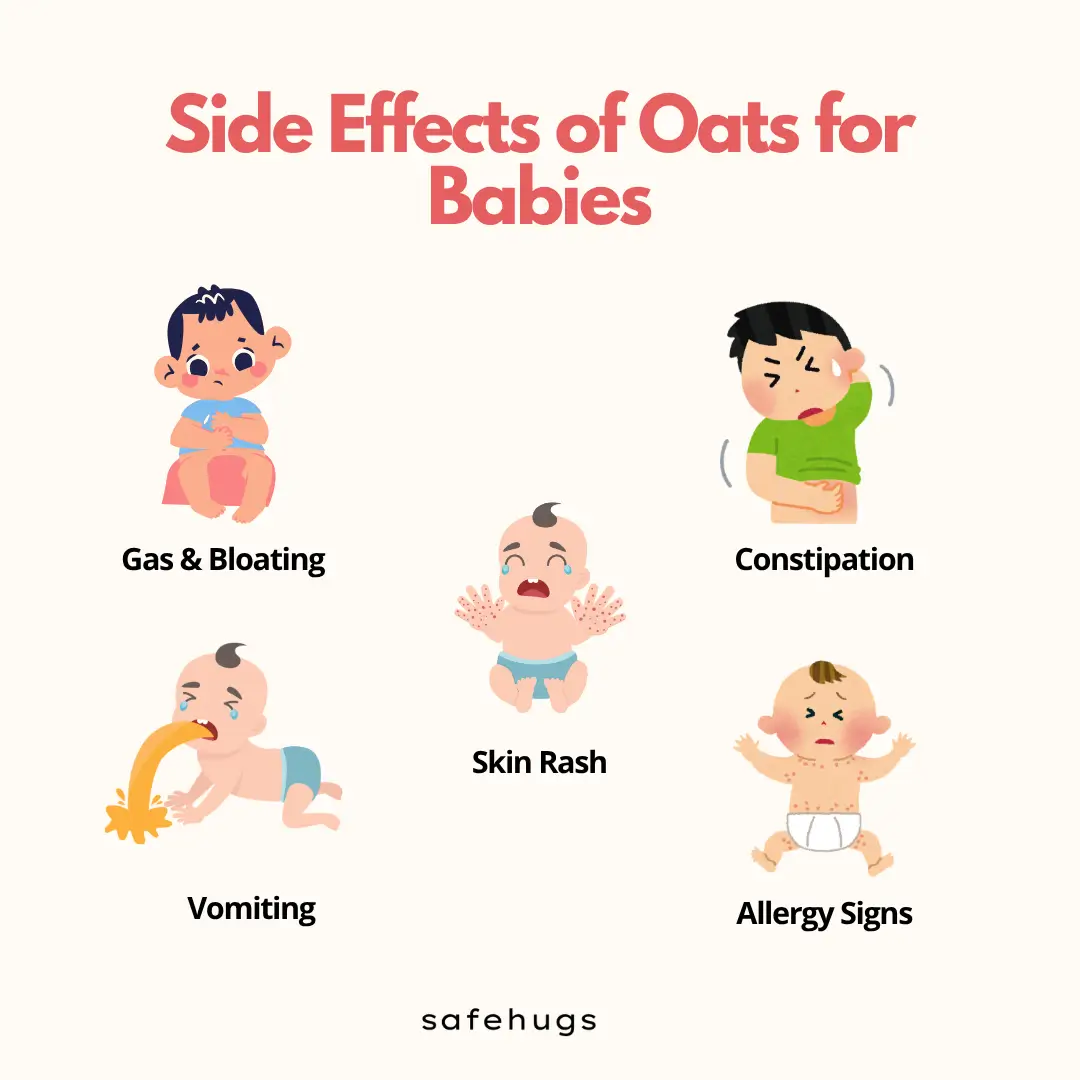
Gas & Bloating
Oats are rich in fiber, which is good for digestion but can sometimes lead to gas or bloating in babies. This is more common when oats are introduced early or given in larger quantities. Starting with small portions and keeping the texture light can help reduce this.
Constipation
In some babies, oats may lead to constipation, especially if the baby is not getting enough fluids. This is one of the commonly discussed side effects of oats for babies constipation. To balance this, you can pair oats with fruits like pear or papaya, which naturally support digestion.
Some babies may show mild constipation or digestion changes after starting oats. In such cases, parents often balance it with fruits like pear or papaya to ease digestion. - from our Mom Insider comunity
Vomiting (Rare)
Vomiting is not a common reaction, but it can happen if oats don’t suit your baby or are introduced too quickly. If you notice repeated vomiting after feeding, it may be linked to side effects of oats for babies vomiting, and it’s best to pause and observe before trying again.
Allergy Signs
Oats allergy is rare, but it’s still important to watch for signs, especially when introducing it for the first time. Some oats allergy symptoms in babies may include rash, vomiting, diarrhea, or slight swelling. In some cases, it may also show as skin irritation or eczema.
True oats allergy is uncommon, but introducing oats slowly and following the 2-3 day rule helps you identify any reactions early and ensures a safer feeding experience.
Long Term Side Effects of Oats for Babies
There are no known serious or harmful long term side effects of oats for babies when given in the right quantity and as part of a balanced diet. Oats are nutritious, easy to digest, and safe to include regularly in your baby’s meals. The only concern comes when oats are given too frequently without enough variety. Relying on a single grain can limit your baby’s exposure to different nutrients, textures, and tastes. Over time, this may lead to picky eating habits or nutritional gaps.
To avoid this, it’s best to rotate oats with other grains like ragi, rice, dal, or suji. A varied diet supports better growth, digestion, and overall development while still allowing oats to be a healthy part of your baby’s routine.
Can We Give Oats Daily to Babies?
Yes, you can give oats daily to babies, but it should not be the only grain in their diet. Oats are nutritious and easy to digest, but relying on them every day can limit exposure to other important nutrients. Babies benefit more from variety, so it’s best to rotate oats with foods like ragi, rice, dal, or suji. Giving oats 3-4 times a week works well for most babies. On other days, offering different grains and textures helps support balanced nutrition and prevents food preferences from developing too early.
Best Time to Give Oats to Babies
Morning: Oats are a great breakfast option as they provide energy and keep babies full for longer. They are easy to digest and pair well with fruits.
Afternoon: You can also give oats as a mid-day meal, especially when combined with vegetables for a balanced option.
Night: Oats can be given at night too, as they are light yet filling. Many parents prefer giving oats in the evening because it keeps the baby satisfied and may support better sleep.
Is Oats Good for Babies at Night?
Yes, oats can be a good option for babies at night. They are light on the stomach yet filling, which makes them suitable for an evening meal. Because oats provide steady energy, they can help keep babies satisfied for longer and may support better sleep. You can serve oats as a simple porridge or combine it with mild ingredients like banana or vegetables. Just make sure the texture is soft and easy to digest, and avoid making it too heavy close to bedtime.
Why Some Babies Prefer Oats Over Dal
It’s quite common for babies to accept oats more easily than dal, especially in the early months of solids. Oats naturally have a slightly mild and pleasant taste, which some babies find more appealing. The texture also plays a big role, oats turn soft and smooth when cooked, making them easier to swallow compared to dal, which can sometimes feel grainy or heavier.
If your baby is refusing dal, it doesn’t mean they won’t accept it later. You can try mixing small amounts of dal with oats or vegetables to make the taste and texture more familiar. Combining foods often helps babies transition slowly without rejecting them completely. Avoid force feeding, as it can create a negative association with food. Instead, keep offering dal in different forms and combinations over time. Babies often go through phases, and with repeated exposure, they usually start accepting a wider variety of foods.
How to Prepare Oats for Babies
Powder Method
For younger babies, especially around 6-8 months, oats are easiest to give in powdered form. You can dry roast plain oats on low flame for a few minutes, let them cool, and grind them into a fine powder. Store this in an airtight container. To prepare, take a small amount of this powder, add water, and cook on low flame while stirring continuously to avoid lumps. This gives a smooth, porridge-like consistency that is easy for babies to swallow.
Porridge Method
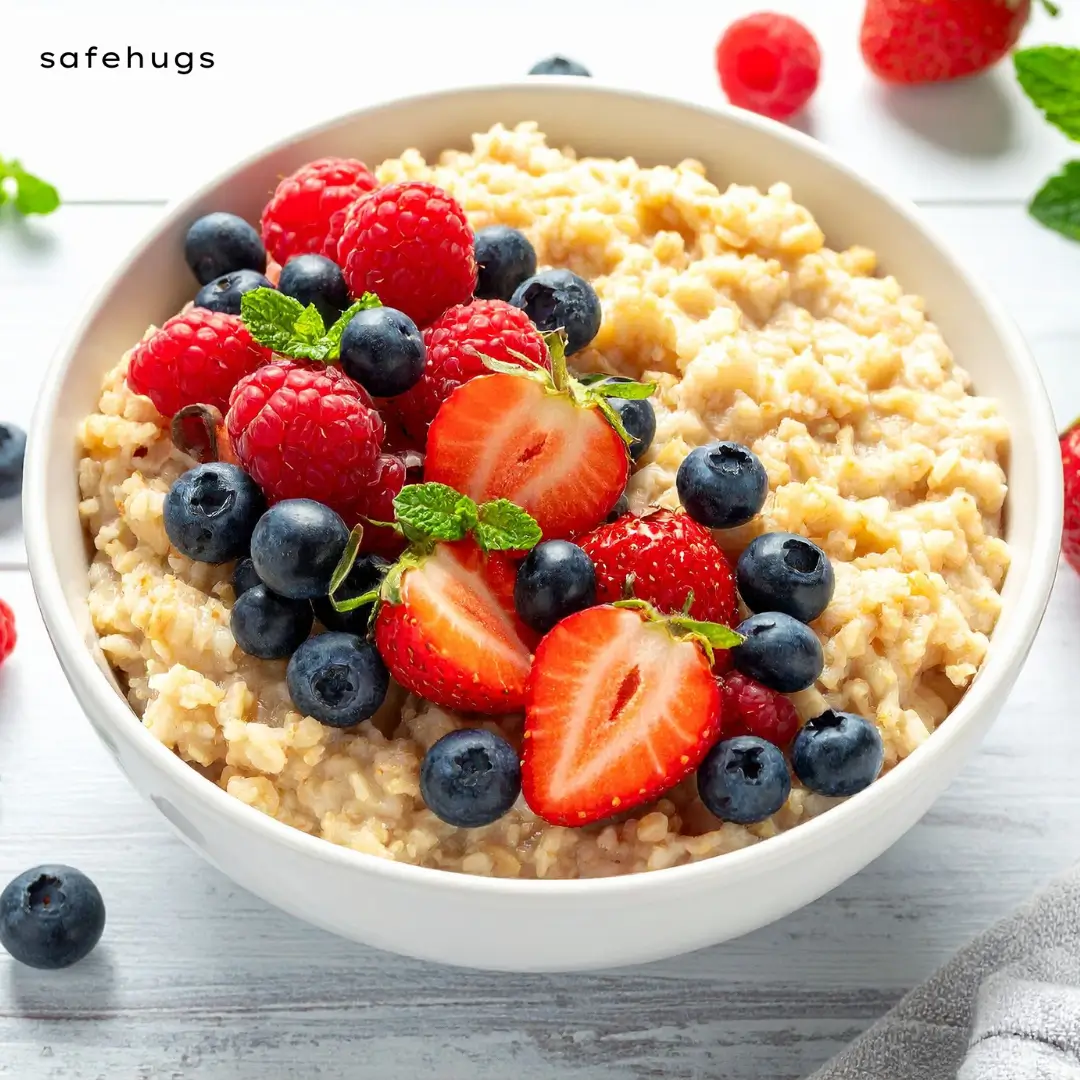
If you’re using regular oats, you can simply cook them in water until they become soft. For steel cut oats, pressure cooking works better to get a softer texture. Once cooked, you can mash it well or blend it slightly to suit your baby’s stage. Some parents also add a little breastmilk or formula after cooking (once the food cools down) to improve taste and familiarity. Keep the texture soft and slightly runny in the beginning.
Mixing with Fruits & Vegetables
Once your baby is comfortable with plain oats, you can start adding natural flavors. Many parents mix oats with mashed banana, steamed apple, or pear for a slightly sweet taste. For a more balanced meal, you can combine oats with vegetables like carrot, sweet potato, or beetroot. You can even cook oats along with vegetables or fruits to save time and improve texture. Simple combinations like oats + apple, oats + banana, or oats + carrot work well. As your baby grows, you can experiment with more combinations while keeping the food soft and easy to digest.
Some moms also mix oats with fruits like banana or apple to improve taste naturally. This works well for babies who prefer slightly sweet foods over plain dal or khichdi. - from our Mom Insider community
Best Oats for Babies in India
When choosing oats for babies, simple and plain options work best. You don’t need anything fancy, the regular oats used at home are usually safe if prepared properly.
Plain rolled oats are one of the most commonly used options. Many parents use regular kitchen oats (like the ones adults eat) and either powder them for younger babies or cook them directly for older babies. They are easy to cook, soft in texture, and adapt well to both sweet and savory meals.
Steel cut oats are another option, though they take longer to cook. These have a slightly coarser texture, so they are better suited for older babies who are comfortable with thicker and more textured foods. Pressure cooking helps make them soft enough for babies.
Homemade oats powder is a popular and convenient choice, especially in the early months. You can dry roast oats and grind them into a fine powder, then cook it with water to make a smooth porridge. Many parents prefer this method because it gives better control over texture and freshness.
What to Avoid
It’s best to avoid flavored oats, instant sugary oats, or any variety with added salt or sugar. These are not suitable for babies and can affect their taste preferences early on. Keeping oats simple and natural is always the safest option.
When starting solids, most parents follow single-ingredient meals and introduce new foods every 2-3 days. This makes it easier to identify what suits the baby. - from our Mom Insider community
Baby Oatmeal vs Regular Oatmeal
There is often confusion between baby oatmeal and regular oatmeal, but in most cases, there is no real need to buy expensive “baby-specific” oats. Regular oats work just as well for babies when prepared correctly.
Baby oatmeal is usually just finely powdered oats that cook quickly and have a smoother texture. You can easily achieve the same at home by dry roasting regular oats and grinding them into a fine powder. This makes it suitable even for younger babies starting solids. For older babies, regular oats can be cooked directly until soft and mashed to the right consistency. As long as the texture is smooth and easy to swallow, regular oats are completely safe and practical for everyday use.
Is Quaker Oats Good for Babies?
Yes, plain Quaker oats are good for babies and are commonly used by many parents. They are easily available, cook well, and can be adapted into different textures depending on your baby’s age. However, it’s important to choose the plain, unflavored version. Avoid flavored or instant varieties that contain added sugar, salt, or artificial ingredients, as these are not suitable for babies. For parents wondering, is Quaker oats good for 1 year old baby, the answer is yes. At this stage, you can use regular oats directly without powdering, as long as they are cooked soft and combined with other foods like fruits, vegetables, or dal for a balanced meal.
Pro Tips from Moms
Starting with simple, single-ingredient foods makes it easier to understand what suits your baby. When introducing oats, keep it plain in the beginning and avoid mixing multiple ingredients right away.
It’s helpful to follow the 2-3 day rule when adding any new food. This gives you enough time to observe your baby’s reaction and identify if something doesn’t suit them. Many parents find that roasting and powdering oats helps create a smoother texture, especially for younger babies. It cooks quickly and is easier for babies to swallow in the early stages. Avoid adding sugar or salt to oats. Babies don’t need extra seasoning, and natural flavors from fruits or vegetables are more than enough.
Most importantly, follow your baby’s cues. Some days they may eat well, and other days they may refuse. Avoid force feeding and allow them to explore food at their own pace, making mealtime a positive experience.
Common Mistakes Parents Make
A common mistake is adding sugar or sweeteners to oats to make it more appealing. Babies don’t need added sugar, and it can quickly create a preference for sweet foods. Using fruits for natural sweetness is a better approach. Another mistake is giving oats too often. While oats are healthy, relying on them daily without including other grains can limit variety and nutrition. Babies need exposure to different foods for balanced development.
Some parents also stick to oats because the baby accepts it easily and delay introducing other foods like dal or vegetables. This can lead to picky eating habits over time. Ignoring small reactions like gas, constipation, or rashes is another issue. Even if oats are generally safe, every baby is different. It’s important to observe and adjust instead of continuing the same routine.
Oats are a safe, nutritious, and versatile food for babies when introduced the right way. If you’re wondering, is oats safe for babies, the answer is yes, when given in the right quantity and prepared properly. They are easy to prepare, gentle on digestion, and can be combined with a variety of foods as your baby grows.
Frequently Asked Questions
Which oats are best for babies?
Plain, unflavored oats are best for babies. Rolled oats are commonly used and easy to cook, while powdered oats work well for younger babies. You can also make homemade oats powder by dry roasting and grinding regular oats.
Can oats cause constipation in babies?
Yes, in some babies, oats may cause mild constipation, especially if given in large quantities or without enough fluids. Balancing oats with fruits like pear or papaya can help ease digestion.
Can I mix fruits with oats?
Yes, mixing fruits with oats is a great idea. It improves taste and adds natural sweetness. Common combinations include oats with banana, apple, or pear.
Is oats better than ragi?
Both oats and ragi are nutritious and have their own benefits. Oats are easy to digest and versatile, while ragi is rich in calcium and iron. Instead of choosing one, it’s better to include both as part of a varied diet.
Does oatmeal make babies gassy?
Oatmeal can sometimes cause gas due to its high fiber content, especially when first introduced. Starting with small amounts and increasing gradually can help reduce this.